

Much has been written about the goth subculture, ranging from scholarly literature to pop culture reads. I must admit that I have not read many books on goth. When I first started getting into goth as a teen in the late 90s/early 2000s, I got most of my information from the internet and personal experiences and observations. At the time, there weren’t many books published about the subculture, so I learned about it by browsing the web via goth chat rooms and websites that were around then.
Now, there’s a plethora of resources on the subject, and many publications were released during the 2000s as the subculture was gaining notoriety. With so many titles out there, it can be overwhelming figuring out which to read. Authors have taken their own approaches to exploring the topic and these books tend to receive mixed reviews within the goth community. It’s important to keep in mind that books on goth can be great references for learning about its history and evolution; they should not, however, be viewed as guides on how to be goth. There’s no instruction manual needed if you decide to listen to goth music and immerse yourself in the subculture.
With all that said, the books included on this roundup are ones I believe to offer good insight that isn’t superficial. Interestingly, many of these I have not read myself, so this is also serving as my personal goth reading list. This is by no means meant to be an exhaustive compilation, and I’m aware that there are many titles I overlooked. But I think these texts serve as a good start and can help all of us discover other publications on goth as we traverse this macabre literary path.
Note: This blog post contains no affiliate links. I link to websites for your convenience and reference.
1. Goth: Identity, Style and Subculture by Paul Hodkinson, Joanne B. Eicher, Ed. (2002)

This is a book that falls on the scholarly side and contributes to the conversation of goth within the contexts of sociology and cultural studies. Its author, Paul Hodkinson, is actively involved in the scene, so it provides subjective and objective perspectives. Chapters focus on the goth community, the effects of commerce on the subculture, goth in the media and more.
2. The Goth Bible by Nancy Kilpatrick (2004)
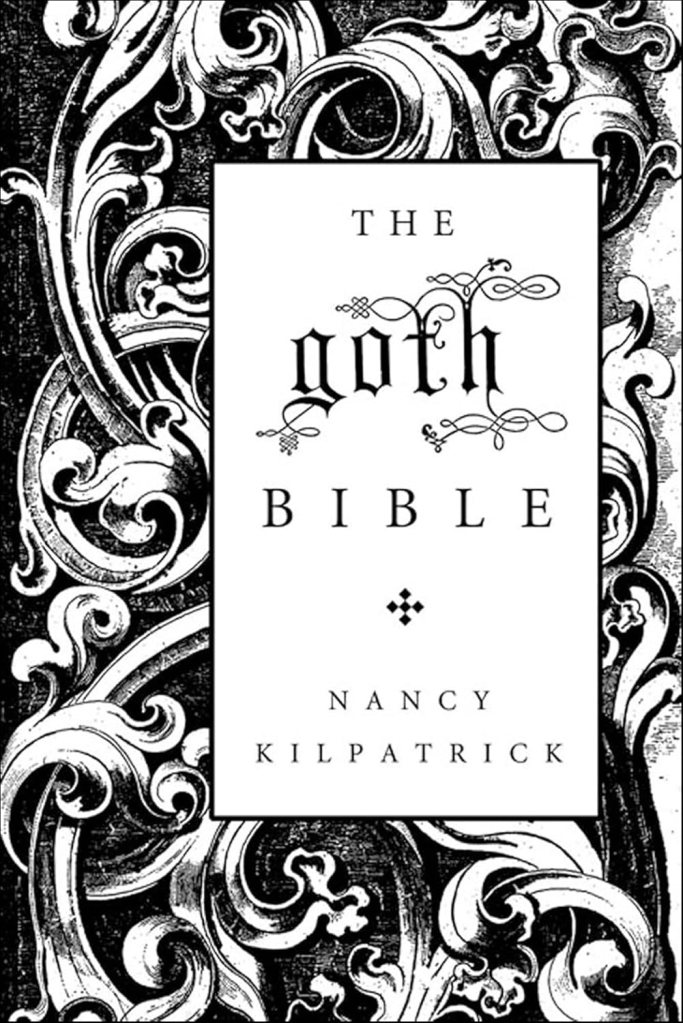
The Goth Bible is certainly what its title suggests—a book that stretches back to the dawn of time to examine the early beginnings of the goth subculture. Except, instead of “Let there be light,” it was “Let there be darkness.” All joking aside, Kilpatrick does briefly touch upon the Goth Germanic tribes that existed centuries ago to explain the origins of the term “goth” and how it came to be used and applied as time went on. Although it calls itself a “bible,” it’s written in an approachable and easy-to-understand style. The author makes a disclaimer early on that she wasn’t interested in discussing goth in an academic or statistical way. Instead, she relied on many personal accounts from herself and individuals involved in the scene to present a more genuine portrait of the subculture.
3. What Is Goth? by Aurelio Voltaire (2004)

What is Goth is out of print, but I had to include it on this list! If you’re familiar with Aurelio Voltaire, then you know he has a gallows sense of humor and is not pretentious when he talks about what it means to be goth. He’s a musician who specializes in gothic and dark cabaret genres. I’ve been a big fan of his since I was a teen and, sadly, never got my hands on this publication when it was released.
He’s what I would consider an OG goth since he got involved in the scene when it was first burgeoning during the 1980s. His humor definitely shines through in this text. He addresses the stereotypes and even plays off of them. For instance, he includes a Gothic Poem Generator for the melancholy goth who prefers to mope and write morose poetry. The only surviving copies you may be able to find are used ones being sold on ebay or Amazon, but the prices can be more than what the book originally sold for.
4. Goth: Undead Subculture by Lauren M. E. Goodlad, Michael Bibby, Eds. (2007)

Goth: Undead Subculture has long been on my must-read list. It’s a top contender when it comes to scholarly books on goth. It consists of more than 20 essays that delve into the various aspects of the scene, from the music to fashion to literature. Some of the contributing writers are part of the community, so they share their first-hand experiences. When I read the summary, I was intrigued that there’s a section analyzing the novels of Anne Rice. Plus, I think it’s great to have a book that delivers multiple perspectives from different individuals.
5. Goth Culture: Gender, Sexuality and Style by Dunja Brill, Joanne B. Eicher (2008)

What appealed to me about this book is how it examines goth through the lenses of gender and sexuality. When you’re involved in the subculture, you become aware that the gender rules of mainstream society don’t apply. It’s not uncommon to see goth males don eyeliner and long, black skirts or to see women with the sides of their head shaved and showcasing a more androgynous appearance. Chapters include Subverting Gender, Gendering Subculture; Female Style and Subjectivity; and Gender Relations, among others. The text sounds promising and I plan to dig into it at some point.
6. Gothic Charm School by Jillian Venters (2009)
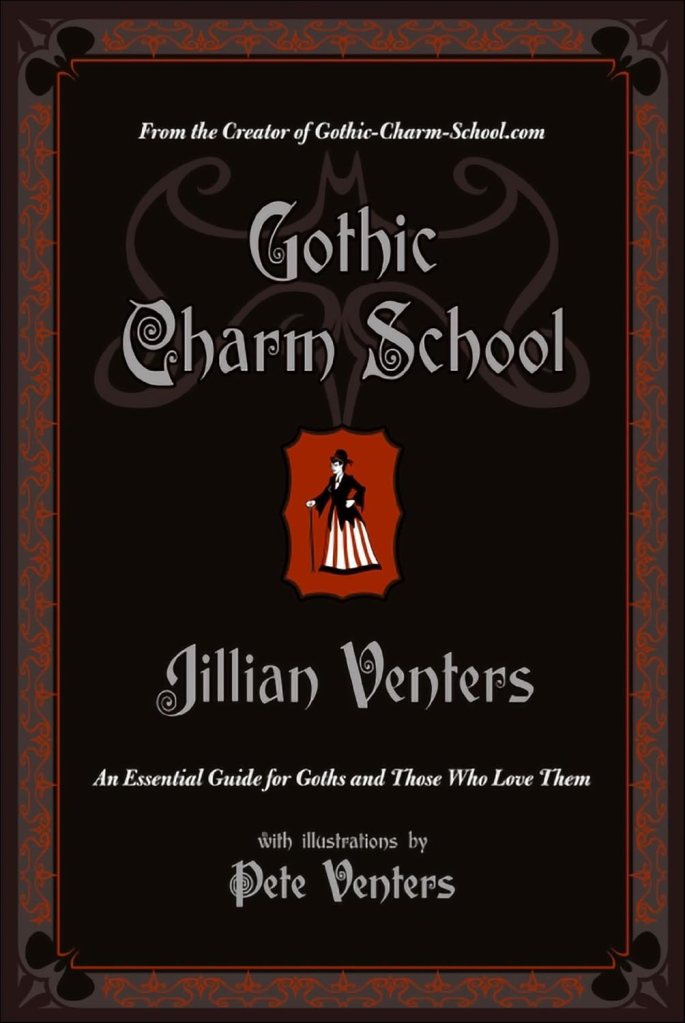
This is such an endearing book and one that I have read. While it’s not everyone’s cup of tea, I enjoy Jillian Venters’ whimsical approach to the topic. The author also goes by The Lady of the Manners and embraces a Victorian aesthetic. In the text, she uses this persona to ‘teach’ readers how to be polite in goth society, whether you’re an insider or outsider. I don’t believe it’s meant to be taken seriously in the sense that she’s making any definitive notions regarding goth or how to be goth.
There are interesting tidbits about what to expect if you decide to participate in the scene. I think she does a good job at addressing questions and concerns that people have when they’re new to the subculture or are simply curious about it. I see her take as similar to Voltaire’s—lighthearted, unpretentious and humorous.
7. Phantoms: The Rise of Deathrock from the LA Punk Scene by Mikey Bean (2019)

I discovered this book as I was doing research for this blog post. Deathrock is one of the many branches that has sprouted from the goth music tree. Los Angeles is considered to be its birthplace, although I’m aware that some may disagree. Regardless of what you believe, LA has played a major role in the development of this genre. Phantoms: The Rise of Deathrock from the LA Punk Scene is more than 600 pages long and is an in-depth exploration of deathrock’s history. I definitely want to check this selection out. There’s an interview with the author on Post-Punk.com if you want to learn more.
8. The Art of Darkness: The History of Goth by John Robb (2023)

I was excited when a PR agent reached out to me about reviewing John Robb’s The Art of Darkness: The History of Goth. Similar to Phantoms: The Rise of Deathrock from the LA Punk Scene, it’s a huge tome that spans over 500 pages. I’ll admit, it’s not the easiest read. There’s a lot of information and footnotes to take in. However, it does give excellent insight into the bands that were coming up during goth’s early years from someone who was involved as the subculture was taking shape. If you want to know more, read my review.
9. Goth: A History by Lol Tolhurst (2023)

The author of Goth: A History is written by one of the co-founders of The Cure, a band that is commonly associated with the emergence of goth in the 80s. If you’re interested in learning about the subculture, why not learn about it from someone who helped shape it. Lol Tolhurst breaks his book into sections, starting with the origins and moving to modern-day musicians. It heavily focuses on the music and bands that have influenced the genre over the past decades. It seems to have been positively received with a 4.4 rating out of 230+ reviews on Amazon.

 Vamp Jenn's Corner